Who Is David Crowley, Milwaukee County Executive?
A sourced account of his background and data-center policy record
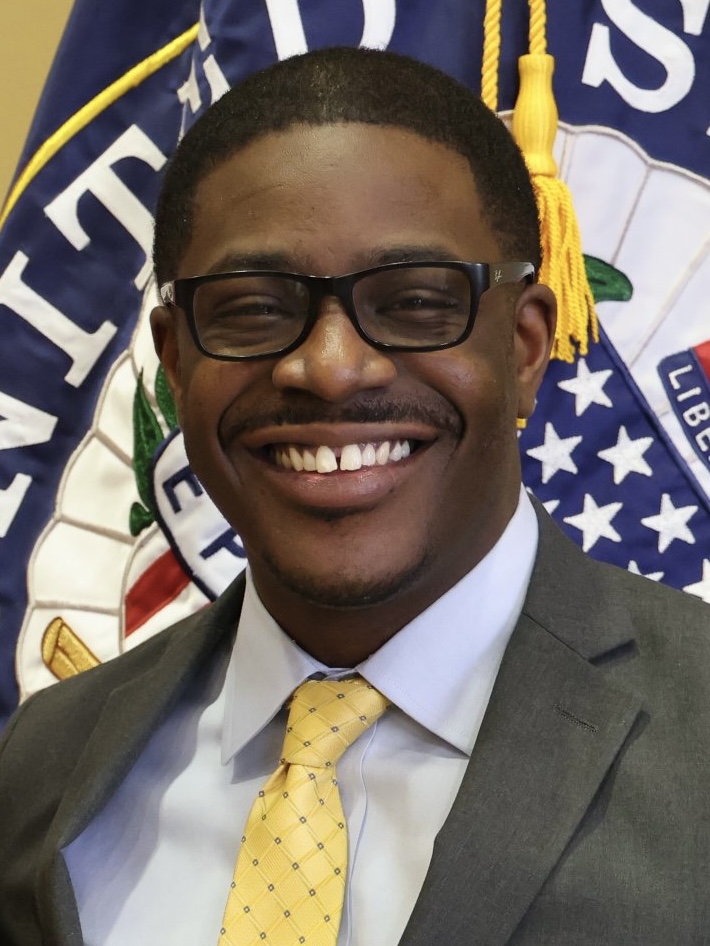

David Crowley, a Democrat and the Milwaukee County executive, supports a conditional pause on new data-center projects. His 2026 governor campaign published a data-center platform, and the interviews and debate answers reviewed for this page address data centers.
His campaign platform proposes a community veto, an NDA ban and developer-paid costs, while in interviews he described potential growth alongside water, land and cost protections.
- Party
- Democratic
- State
- Wisconsin
- Office
- Milwaukee County Executive
- Age
- 40 as of 2026-11-05 · Source
- Political Leaning
- A WPR report on the October 21 debate calls him a moderate Democrat. This is an attributed description, not his own label.
- Election Status
- Current office: Milwaukee County executive. The Associated Press (AP) has reported him as the winner of the 2026 Wisconsin governor's race. That call does not establish certification or that he holds the governor's office.
David Crowley's Position on AI
Crowley supports a conditional pause on new data-center projects. The pause would last until environmental review is complete and firm guardrails are in place. His platform adds developer-paid costs and community consent.
He also recognizes potential economic growth. The position applies to data-center infrastructure. It does not ban every AI use.
Background at a Glance
| Item | Detail |
|---|---|
| Name | David Crowley |
| Party | Democratic |
| Current office | Milwaukee County executive since May 2020; reelected April 2, 2024 (county biography) |
| Office sought | Wisconsin governor, 2026 race |
| Date of birth | May 14, 1986, which made him 40 as of November 4, 2026 (official legislative register) |
| Degree | Bachelor's degree completed at UW-Milwaukee, per the county biography |
| Earlier office | Wisconsin Assembly, elected in 2016 per the official register |
David Crowley's Background and Political Leaning
Crowley grew up in Milwaukee 53206 and attended Bay View High School, according to his current county biography. That same biography confirms he completed a bachelor's degree at UW-Milwaukee. An older official register records only attendance, so the newer biography is the current record of his degree.
His county biography also mentions his wife, Ericka, and their three daughters.
Crowley has been Milwaukee County executive since May 2020, and voters reelected him on April 2, 2024. The biography describes a regional racial-equity plan and a 2023 shared-revenue negotiation. Those are his own descriptions of his work, and the biography does not evaluate their outcomes.
The official 2019 to 2020 register records his 2016 election to the Wisconsin Assembly. It also lists him as former executive assistant and policy director to Senator Nikiya Harris Dodd, legislative assistant to Milwaukee County Supervisor Nikiya Harris, Democratic Party of Wisconsin field organizer, and Feingold Senate Committee African American statewide organizer. Its 2019 committee assignments are historical, not current. WPR reports that he served in the state legislature from 2017 to 2020, and that he narrowly won the 2020 county race over Chris Larson.
In the 2026 governor primary, Crowley briefly left the race, then returned with an endorsement from Evers and won a narrow primary against Francesca Hong.
WPR's October 12 career profile describes a pragmatic, bipartisan approach. It says Crowley inherited a budget shortfall as county executive and pushed to fund basic county services by negotiating sales-tax authority with Republican legislators, including a 2023 shared-revenue deal. The article describes county needs for transportation, senior meals and courthouse work.
It also reports eventual sales-tax increases of 0.4 percentage points for the county and 2 percentage points for the city. These figures are the reporter's reporting, not independently calculated outcomes, and the profile is not an independent rating of how effective his work was.
A WPR report on the October 21 debate calls him a moderate Democrat. That label is the reporter's attribution, and the sources reviewed do not establish a broader ideology.
The formal bill record was not inspected, so this profile does not list bills he sponsored, cosponsored or voted on.
In a September 2 interview, Crowley said his first job was lawn maintenance: grass cutting, pruning and gardening. He also said his parents taught him the value of hard work.
David Crowley's Statements on AI
In August, Crowley separated a prospective pause on new projects from regulation of facilities already built or under construction, in an interview with WIZM. The host paraphrased another event during that exchange, and Crowley replied with a brief "Yeah."
The same interview covered energy and grid costs. Crowley said developers should pay 100 percent of energy, infrastructure and grid costs, and that new clean power should be added so projects do not receive a ratepayer subsidy. He argued that new-project moratoria would not stop projects already under construction in Port Washington and Racine.
He also proposed using excess Focus on Energy dollars to reduce statewide rates, and he backed broader community-benefit agreements. He described broad statewide benefits and possible computing help for schools, small businesses and municipalities.
In a September interview on Civic Media, Crowley was asked about past hub language on AI and data centers. He said that language was taken out of context. He recognized potential growth while insisting on protections for water, land and costs.
Crowley also proposed state technical and financial help for communities that lack the resources to negotiate with developers, and he said communities should not be forced to host data centers. He proposed that the state Department of Natural Resources (DNR) handle groundwater testing and monitoring to protect water, farmland and local manufacturing and agricultural identity. He tied the proposed help to communities' lack of resources.
These were proposals he described in the interview, not enacted state programs.
In an August interview, Crowley told the host he had never said data centers were needed. He argued existing facilities need regulation. That denial is not a categorical stance on future facilities or AI.
Policies Supported and Opposed
Crowley's stated positions cover a pause on new projects, several data-center protections and repeal of sales-tax incentives.
His campaign platform proposes a community veto and a ban on nondisclosure agreements (NDAs). It also calls for public information about water and farmland affected by projects, along with new clean power. The platform further proposes full developer payment of generation, transmission and interconnection costs.
These are proposed statewide safeguards, distinct from any current permits.
The platform also proposes labor and community benefits. Those are campaign proposals, and no enacted statewide requirement is established.
A campaign spokesperson told WPR that no new projects should go forward until firm guardrails are in place. The spokesperson also said Crowley would work with the legislature on the pause until environmental review is complete. Those are the spokesperson's words, not a direct quotation of Crowley.
The WPR report also covers a state DNR settlement that concerns environmental review of data-center projects. That settlement is not a self-executing statewide ban, and existing Lighthouse permits remain in place.
At the October 21 debate, Crowley's stated position was that he would sign repeal of data-center sales-tax incentives, and he supports a pause during environmental review. That answer does not show that a repeal has already passed.
When comparing positions, separate what has been enacted from what is proposed, promised or said in an interview. In this record, the pause, the platform protections and the sales-tax repeal appear as proposals or stated positions.
Crowley's written campaign platform would require data-center developers in Wisconsin to use union labor, project labor agreements and community-benefit agreements, and to create good-paying, family-supporting jobs. It also proposes developer contributions to the Wisconsin Focus on Energy fund, which the platform says could reduce statewide utility rates. These are proposed developer conditions and campaign proposals, not enacted statewide requirements, and the rate reduction has not been demonstrated.
Current Office and the 2026 Election
Crowley is the Milwaukee County executive. The Associated Press (AP) has reported him as the winner of the 2026 Wisconsin governor's race.
That report is not a certification, and nothing reviewed shows that he holds the governor's office.
What the Record Establishes
The August exchange does not establish a position on a one-year moratorium.
To compare his written platform with what WPR reported from the debate, read the campaign data-center platform beside the WPR debate report.